If Picante Had a Passport, It Would Be Overstamped
Everywhere you went this year, Picante followed—bars, house parties, brunches pretending to be dinners, dinners pretending to be after-parties, and even weddings that forgot they were weddings. If tequila was the spirit of the year, Picante was its loudest, spiciest spokesperson.
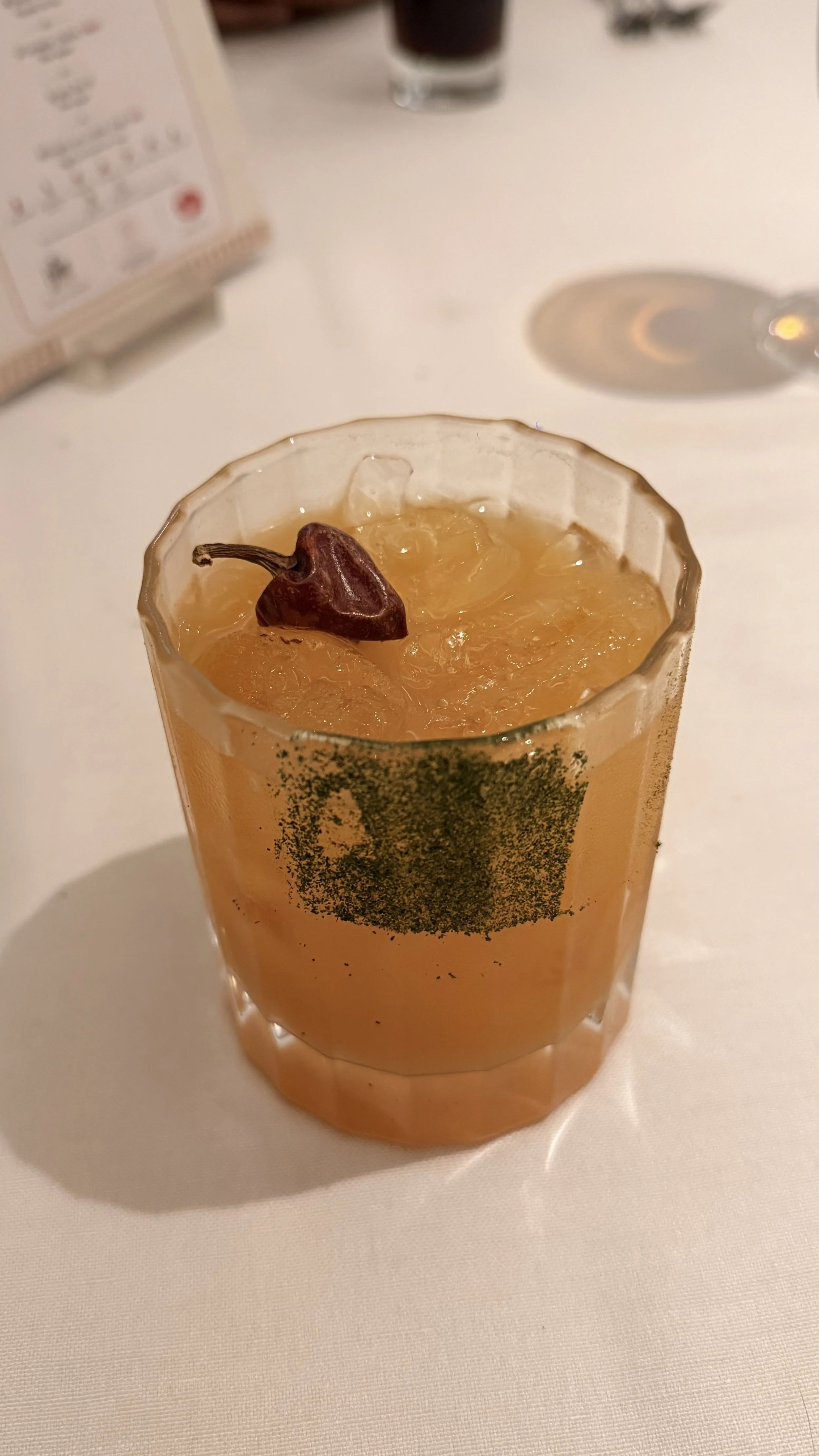
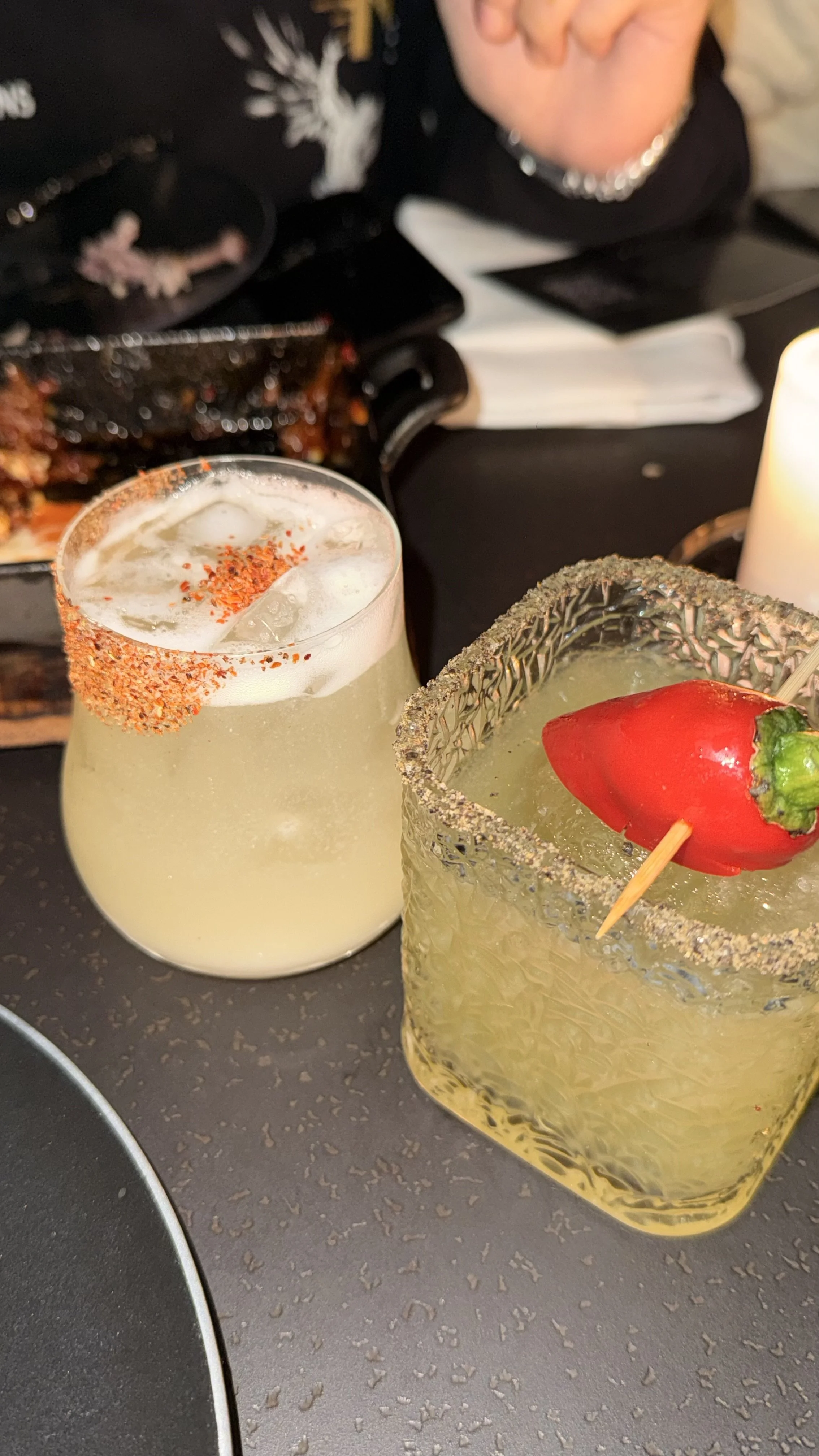
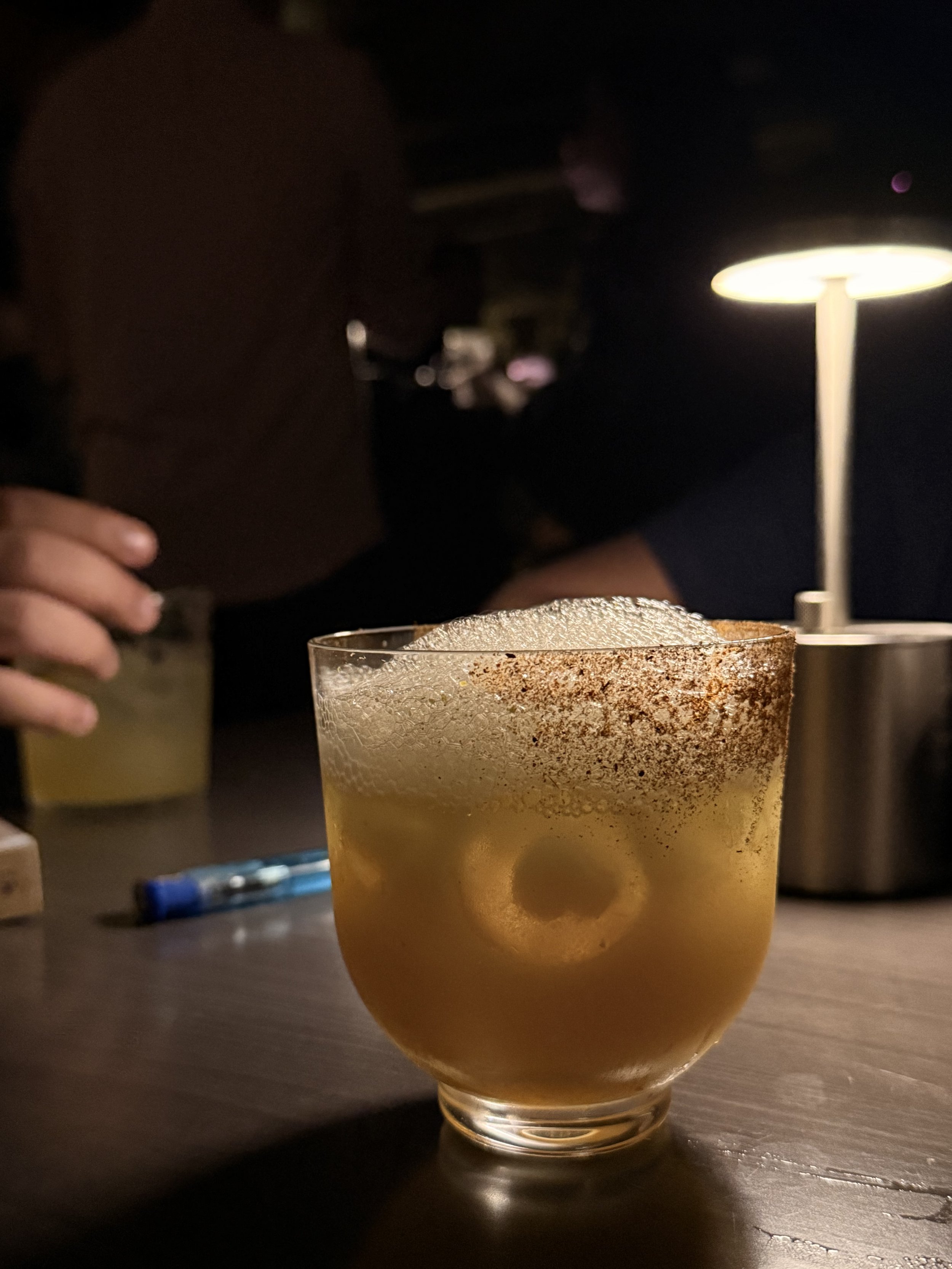
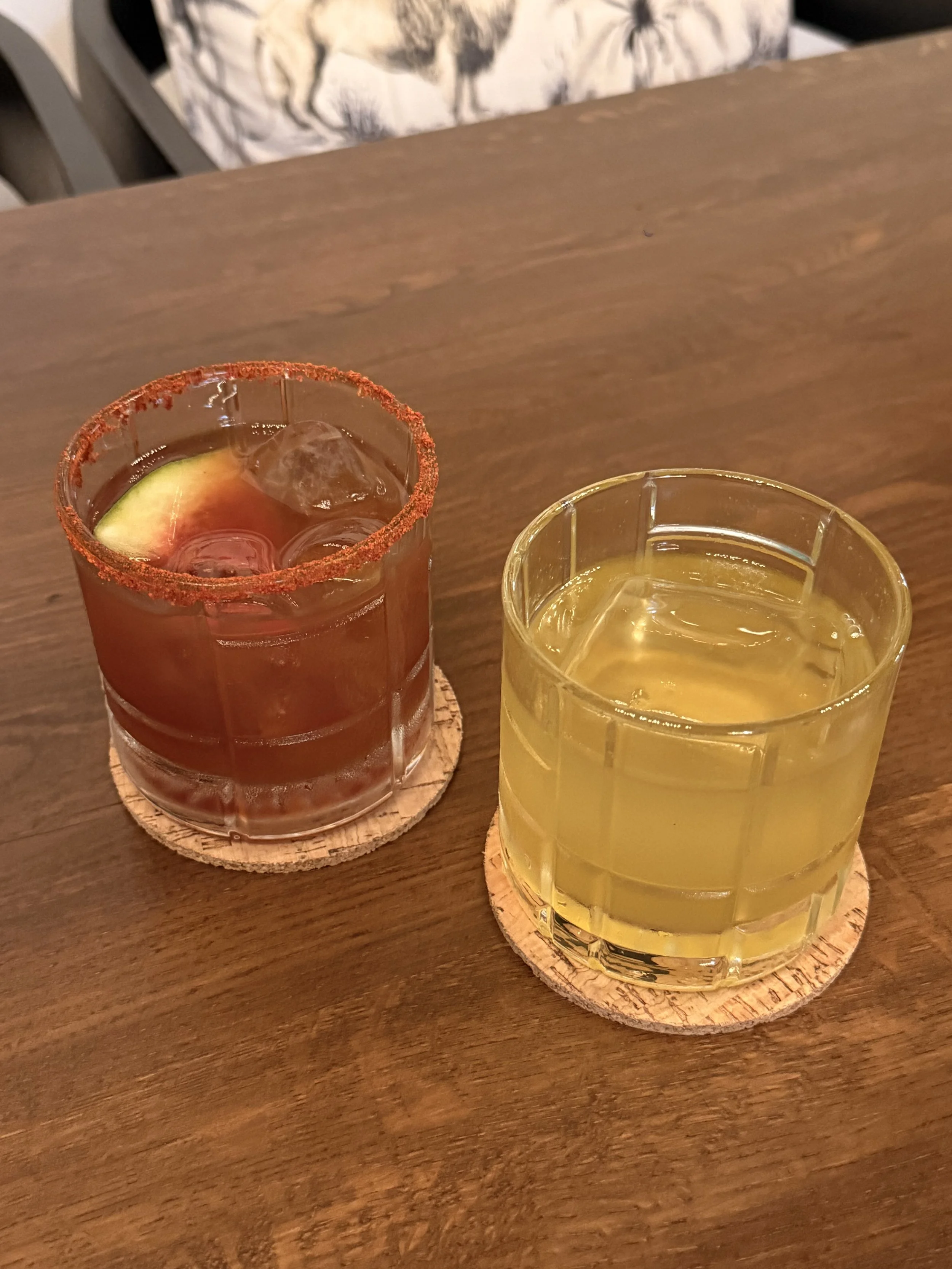
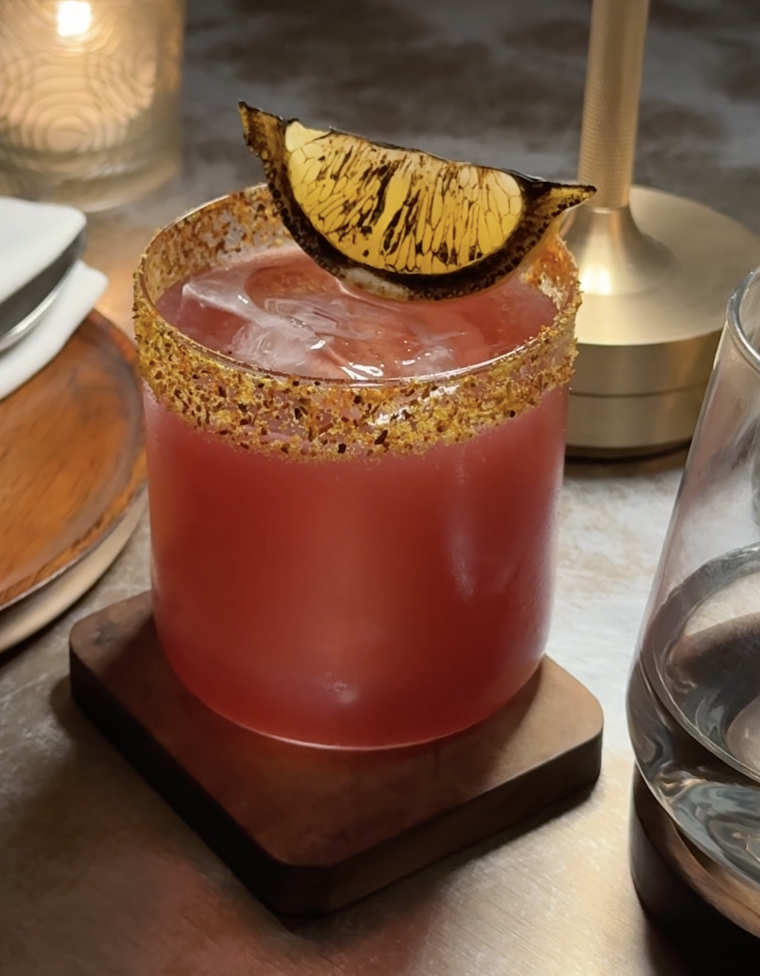
But the way Picante exploded in Delhi didn’t feel accidental. It felt familiar. Because we’ve done this before. Remember how dim sums entered our lives politely—small, delicate, respectful? Then they became momos: bigger, bolder, more accessible. And by the time they truly reached Delhi, we had Afghani tandoori momos with cheese pulls and sauces no one asked for. Picante followed the same journey. It started as a margarita, then became Picante, and just last week, at a wedding, I saw a Kala Khatta Picante. Evolution, maybe. Confidence, definitely.
This is not a Picante hate piece. When Picante is done right, it’s genuinely a great cocktail—clean tequila, fresh lime, and just enough chilli heat to keep things interesting without overpowering the drink. Balanced, sharp, refreshing. But when it’s done wrong, it tastes like golgappe ka paani having an identity crisis. Jaljeera in a coupe glass. Chaat, but make it expensive. And if I’m being honest, this year was split almost perfectly down the middle. Half the time, I drank Picante done right. The other half, I politely nodded my way through tequila-flavoured street food.
So how did a drink that risky still become the drink of the year? Because Picante wasn’t just a cocktail—it was a mood. Tequila, in general, had a big year. It feels lighter than whisky, more playful than gin, and far less serious than rum. Picante took that energy and added spice—something deeply familiar to Indian palates. It sounded interesting without being intimidating. You didn’t need to understand tasting notes or origins. You just needed to say, “Let’s do a Picante.”
And in a year that felt heavy for a lot of people—emotionally, socially, globally—Picante felt uncomplicated. It wasn’t dark. It wasn’t brooding. It didn’t try to be clever. It was colourful, bright, slightly sweet, slightly spicy, and easy to say yes to. There’s something deeply psychological about that. People weren’t ordering Picante to be impressive; they were ordering it to feel lighter, to loosen up, to laugh louder, to take the edge off—not just of the drink, but of the moment. Picante brought the fun back into drinking.
That also explains why bars leaned into it so aggressively. It’s easy to customise, easy to tweak, easy to rename, and incredibly forgiving—until it isn’t. Which is how we ended up with versions that should have stayed as concepts. But despite the excess, the experiments, and the occasional kala khatta crime, Picante worked because it became a comfort choice. A safe order. A social drink. Something you could say yes to without thinking twice. That’s not easy to achieve.
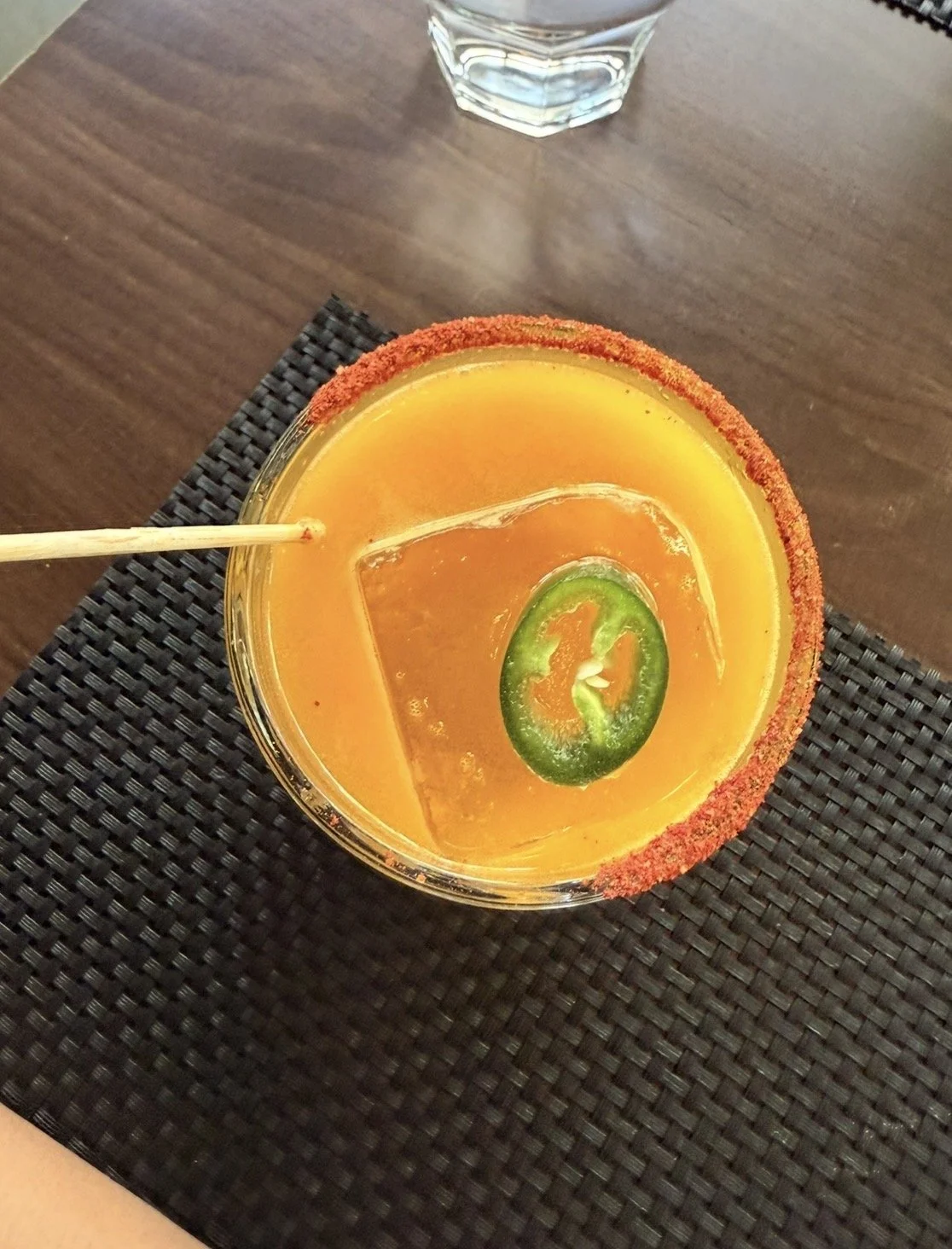
My personal standouts this year were Lair’s Picante—consistent, clean, and self-aware—and the Mango chilli margarita at Avo’s in Goa, which understands that holiday drinks should never try too hard. So yes, Picante was definitely the drink of the year. Not because it was perfect, but because it captured the moment: the need for lightness, familiarity, and a little spice without too much seriousness.
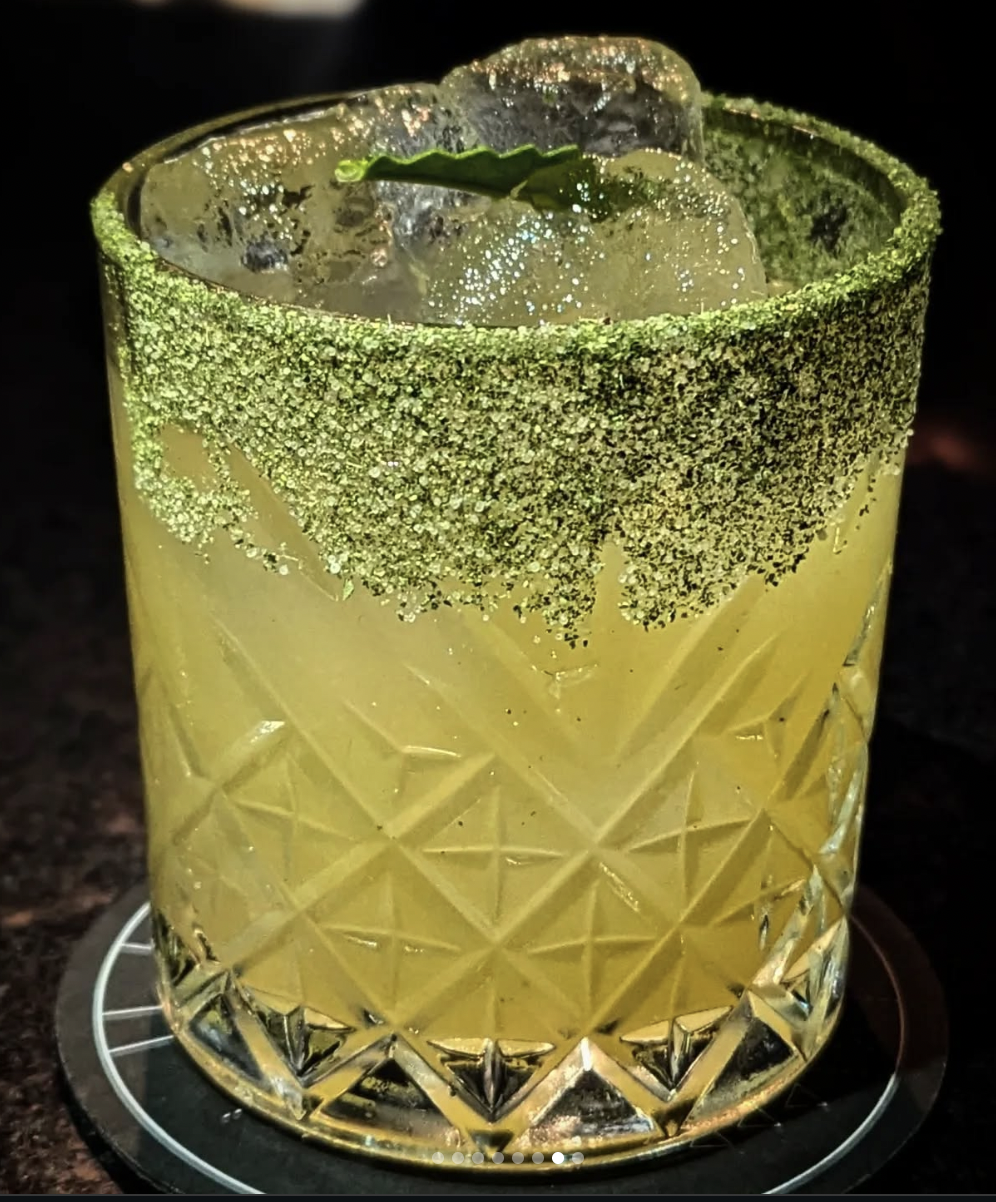
The bigger question now is what replaces it. Do we move towards a new spirit—mezcal, perhaps? Or does another cocktail step into the spotlight, something just as approachable and customisable, but with a new story? Whatever it is, if there’s one thing Delhi has taught us, it’s this: we don’t just adopt trends. We transform them. Sometimes beautifully, sometimes questionably, but always confidently. And honestly, that’s half the fun.
